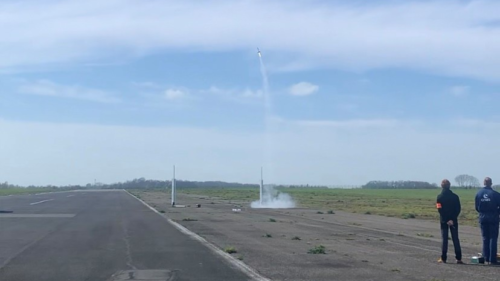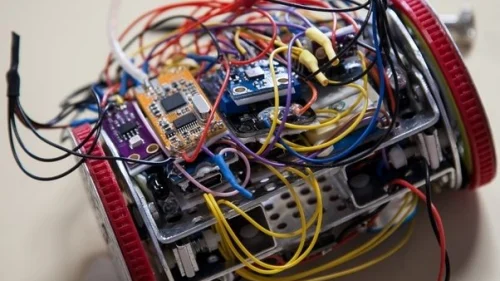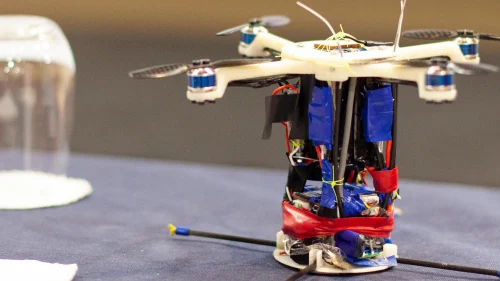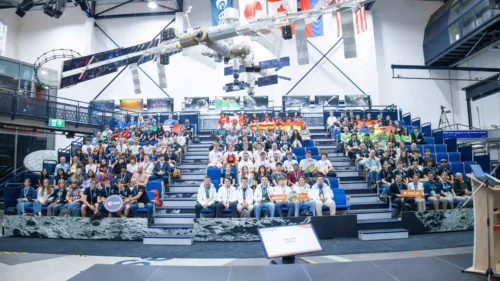
CanSat is an interdisciplinary school project run by the European Space Agency (ESA), coordinated in France by CNES and the Planète Sciences association. This project gives secondary school students the opportunity to design and launch their own satellite, the size of a drinks can. To mark the end of the season, ESA is organising the ‘Space Engineer for a Day’ event, which recognises the winning teams from each country taking part in the project. This gives students the opportunity to immerse themselves in the world of space engineering through hands-on activities, collaborative engineering challenges and discussions with ESA experts.
The future of French engineering at the ESA
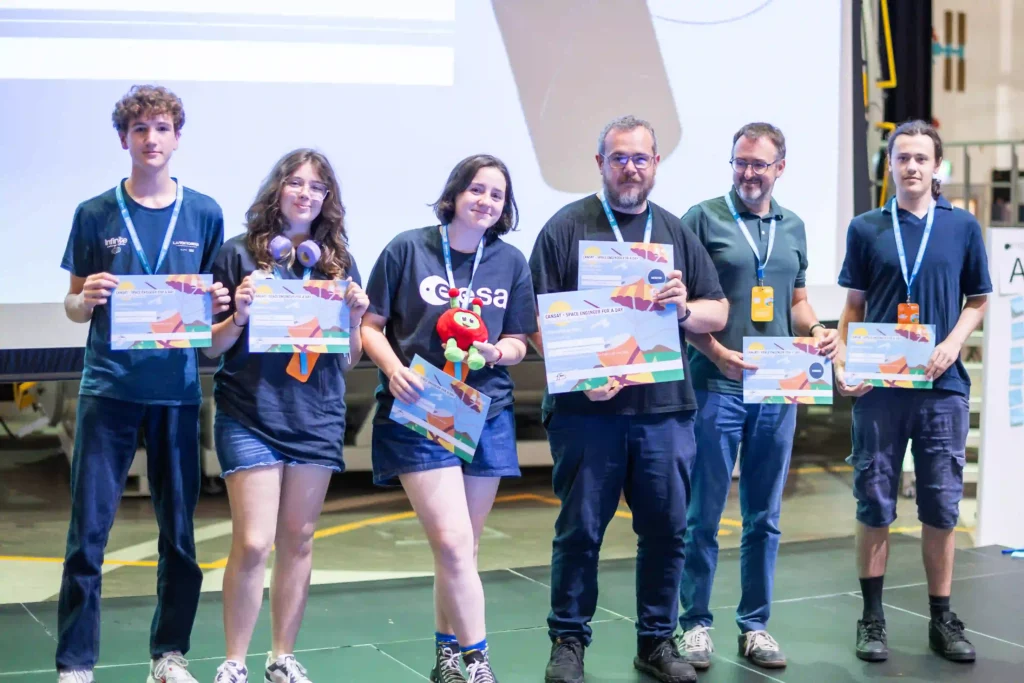
On 4 April 2026, the CanSentinelle team from the Cité scolaire Bernard Palissy secured their place at the 2026 edition of the “Space Engineer for a Day” event by winning the national final organised by CNES and Planète Science. The students joined the winning teams from 26 different countries at ESA’s ESTEC centre in Noordwijk, the Netherlands. It was an opportunity to go behind the scenes at the European Space Agency during three action-packed days.
The CanSentinelles were thus able to present their project to the other teams and members of ESA’s Education Department during the opening ceremony. Furthermore, on the second day, the teams were able to explain the objectives of their mission, their design choices and their results during the poster session.
This session encouraged peer learning, discussion and reflection, while strengthening the students’ communication and English language skills. It also allowed them to receive direct feedback from ESA experts.
Design your own space mission
As well as presenting their own work, the teams were also able to find out about the work carried out by the ESA teams. During the three days, the students explored how engineering, science and technology come together in modern space missions. It was also an opportunity to attend talks by experts on the European space programme and on the design and development of space missions.
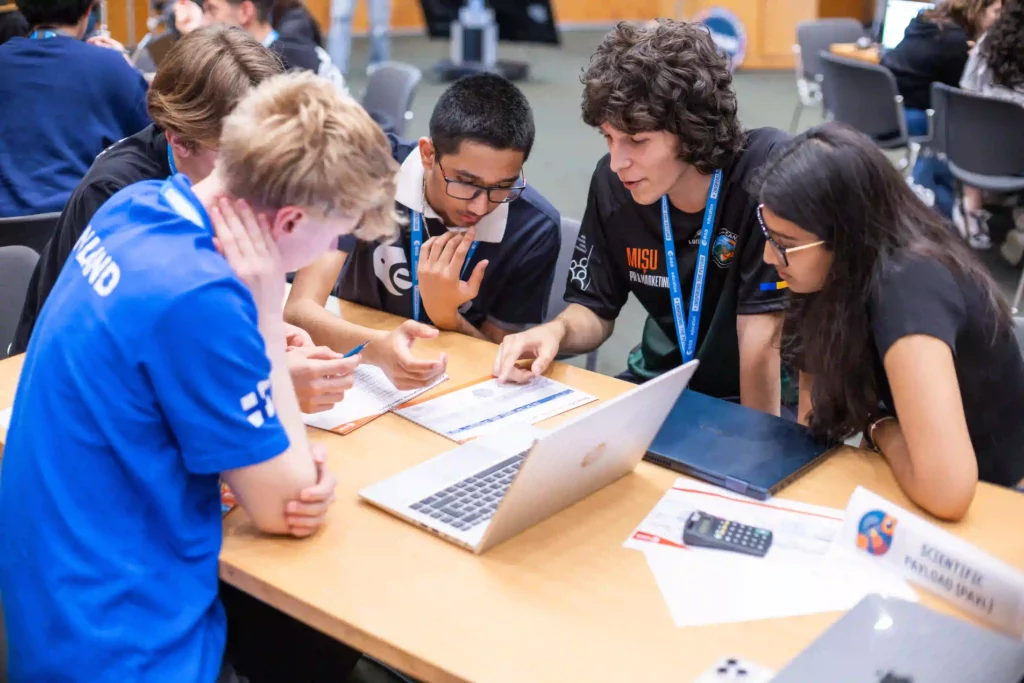
However, the participants did not simply listen to the ESA engineers. They also took part in an engineering challenge, working in teams to design a fictional space mission. Divided into different technical disciplines, they collaborated to define the mission parameters and develop a coherent spacecraft concept. The challenge was led by Massimo Bandecchi, founder of ESA’s Centre for Concurrent Design and former head of systems engineering at ESA for 20 years.
The whole ESERO France team would like to congratulate the CanSentinelle team once again, as well as all the French teams that took part in the CanSat 2025–2026 project. We hope to see even more of you next year for the next edition.