Among the 297 teams from 23 different countries selected for phase 3 of the Astro Pi project, there are 18 French teams whose codes have passed all the qualification tests to obtain Mission Space Lab flight status for the challenge. CNES and ESERO France congratulate all the teachers who have embarked on this adventure, as well as their students. Special mention goes to Jean Sturm from the Strasbourg Academy and Gustave Eiffel from the Reims Academy, who have each entered four teams for phase 3, regulars in the challenge who are as brilliant as ever!
Heading to the ISS for French programs
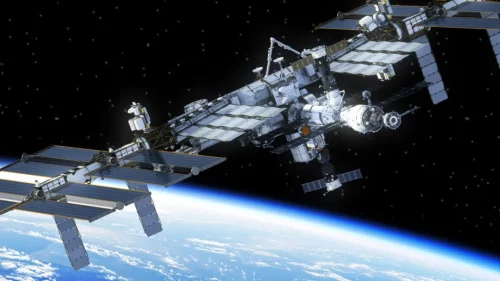
The programs selected by ESA and the Raspberry Pi Foundation will now be prepared and uploaded to the ISS. Participants will be notified once their experiment has been deployed.
The results will then be communicated to the teams in May 2021 so that the final phase of analysis of the challenge can begin in June. We can’t wait to see the results!
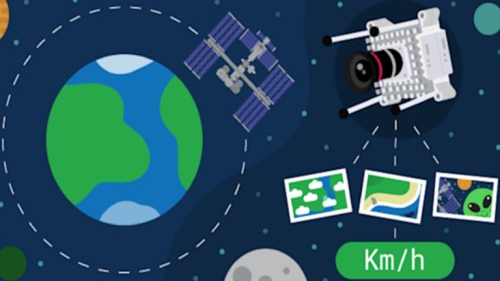
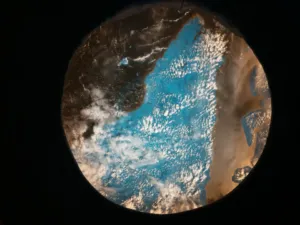
The teams participating in Astro Pi Mission Space Lab 2021-22 received a collection of images that could be used, if necessary, to develop a machine learning model and understand the type of images they can expect to see when the results of their own experiments arrive in May 2022. Indeed, the new Astro Pi kit has additional features and functionality for the 2021-2022 edition.
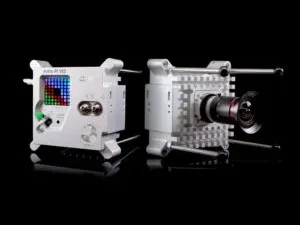
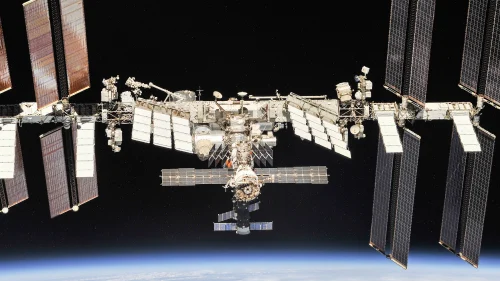
In the following video (©ESA/NASA), we see Matthias Maurer, an ESA astronaut currently aboard the ISS for the Cosmic Kiss mission, who uninstalled the old Astro Pi and unpacked/installed the new Astro Pi. Well done for your excellent work, Matthias!
To learn more about the Astro Pi project, visit the project page