Studying the climate using satellites
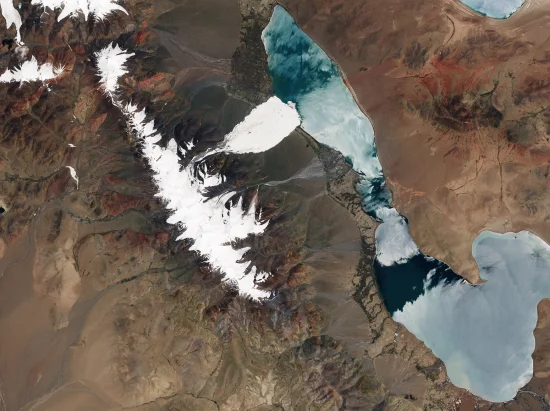
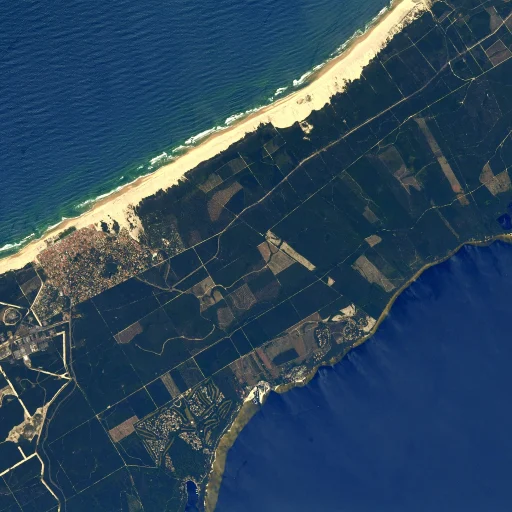
The Earth is a magnificent but extremely complex environment. The dynamics between the atmosphere, oceans, biodiversity, and the planet’s interior make Earth a unique environment and the only viable place for life as we know it. For over a century, this balance has been disrupted by human activities, leading to significant changes in climate dynamics and threatening much of biodiversity. To understand the causes and consequences of these climate changes, Earth observation by satellite is essential, as it allows for global and almost continuous monitoring of the surface and atmosphere. This monitoring of the Earth is the main objective of the European Space Agency’s (ESA) Copernicus program, whose latest satellite, Sentinel-1D, was launched on November 4, 2025, by the Ariane 6 launcher. Its objective will be to ensure the continuity and improvement of land and ocean monitoring services by complementing the Sentinel satellite fleet.
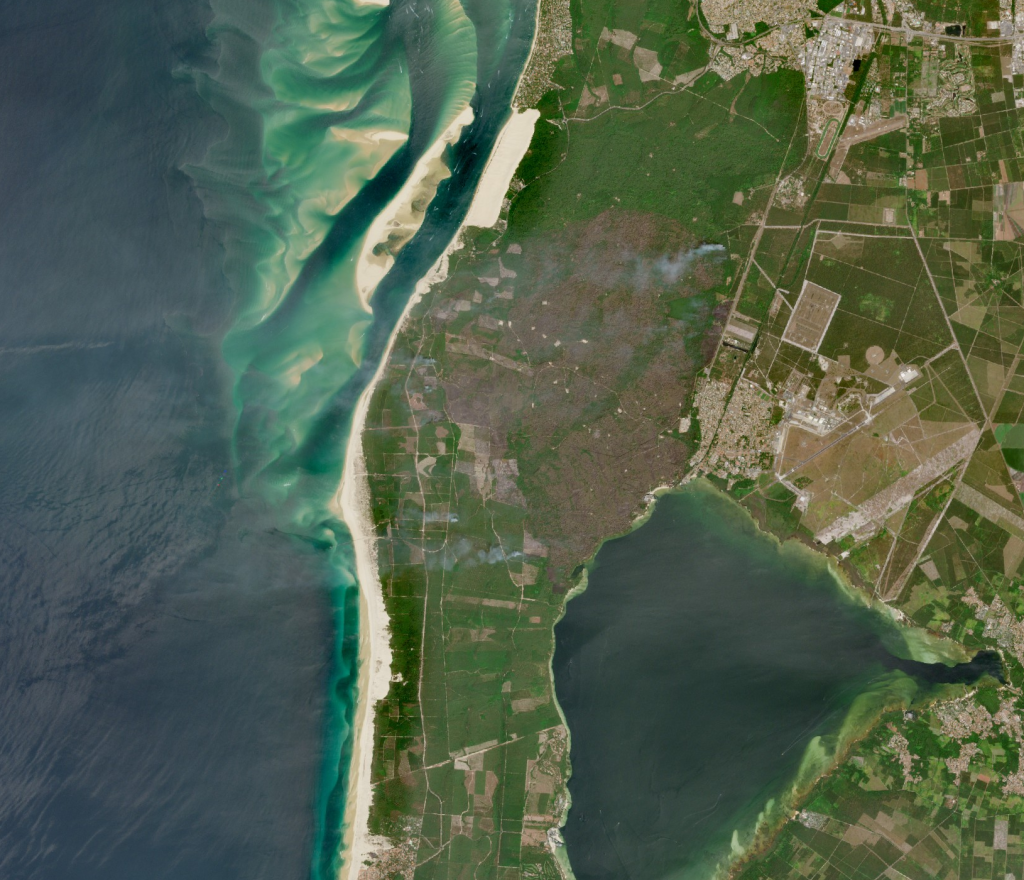
In this context, CNES, through the ESERO France office, has developed a new activity aimed at discovering how satellites can be used to study natural disasters as part of the European educational project Climate Detectives. To learn about Earth observation by satellite, a challenge will be launched for young people and their supervisors (in class, in extracurricular or after-school settings, or even at home). This challenge will take place from January 5 to 30, 2026, and will involve carrying out one or more Climate Detectives project activities related to Earth observation using satellites. These activities aim to raise students’ awareness of climate change and the use of satellites to study the Earth and its climate. They will be divided into two categories: Kids, for students in grades 1 to 3, and Advanced, for students in grades 4 and high school.
Participate in the event
To participate, register your team(s) before January 5, 2026 by filling out the form below. The challenge is open to all elementary and secondary students in school, after-school, or even family settings. Each team must include at least one adult supervisor. The same supervisor may be responsible for several teams. The participants must be different for each team. A single team may be made up of participants of different ages. Each team must present its results in the form of a scientific poster (PPT and PDF versions). The posters must be sent to esero.france@cnes.fr by Friday, January 30, 2026.
Each participant will receive a certificate of participation from the French Space Agency. A group of CNES specialists will select the “Coup de cœur” prize among all the submissions sent in by the participating teams, with a few surprises in store. The results will be announced on March 9, 2026, on the ESERO France website. The “Coup de Coeur” team will be selected based on the scientific rigor of the activity, the format chosen (originality, creativity, production quality), the interpretation of the results, the originality of the team name, and teamwork.
List of Climate Detectives activities
Cycles 1 to 3 :
Cycle 4 and high-school :
Déroulé du challenge
Challenge launch
Start of the Earth from satellites challenge. Choose your activity or activities and study the Earth using satellite observations.
Submission deadline
Your results must be submitted to us in the form of a scientific poster at esero.france@cnes.fr before this date in order to validate your participation. You can also publish your results on the official ESA website.

Selection of the Coup de Cœur award
A group of specialists will select the “Coup de cœur” prize from among all the productions submitted by the participating teams, with a few surprises in store.
Results release
The winning team will be announced on the ESERO France website, and a certificate of participation will be sent by CNES to each participant.
We can’t wait to see your creations!