The wide variety of artificial satellites
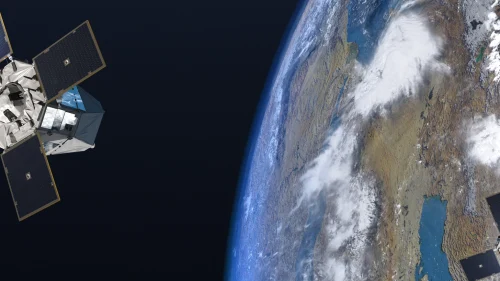
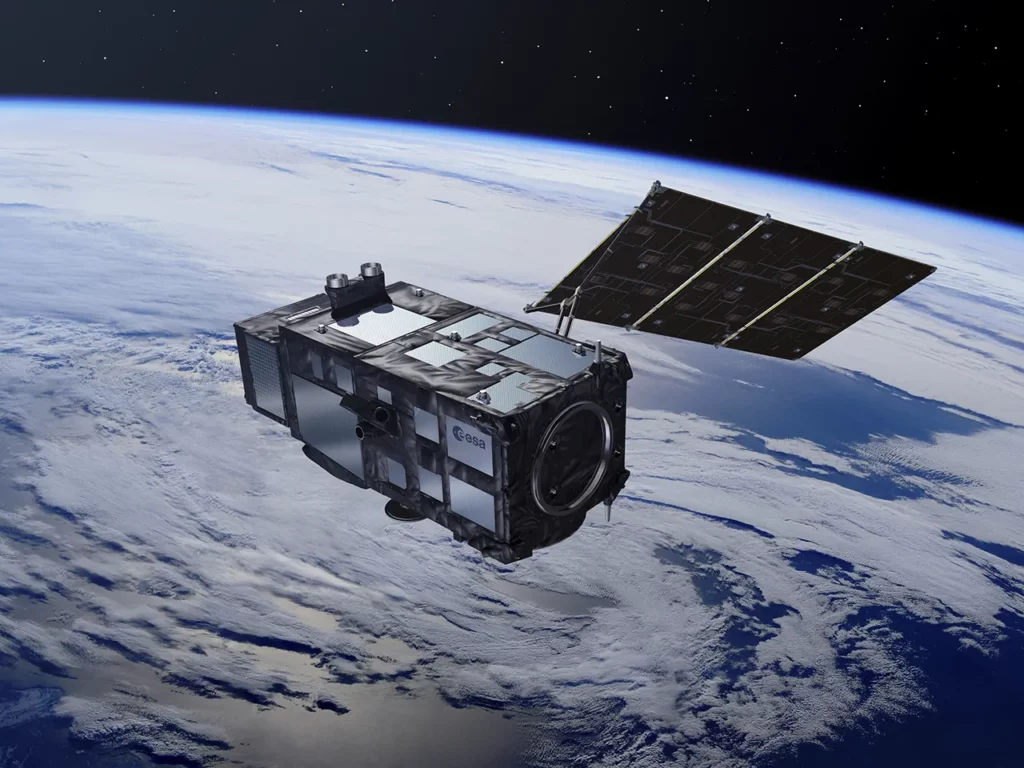
On September 15, 2026, the Sentinel-3C satellite, developed by the European Space Agency (ESA), launched from Earth aboard the European Vega-C launch vehicle, alongside the FLEX satellite. Orbiting at an altitude of approximately 800 km above the Earth’s surface, this satellite is the latest in the European Earth observation program, Copernicus. As the third satellite of its class, Sentinel-3C will be tasked with observing the entire surface and atmosphere of our planet by measuring, among other things, the surface temperatures of the oceans and land and the state of vegetation.
The two satellites join the more than 15,000 active satellites orbiting Earth. This is an impressive number, which can be explained in part by the wide variety of uses for satellites. In fact, Earth observation is not the only objective of satellites. Among the most common are communications satellites, which are designed to provide global access to the Internet, television, and telephone services. Navigation satellites enable users to determine their location anywhere on the globe. Finally, part of the satellite network is used for defense purposes, including reconnaissance and navigation satellites.
Join the event
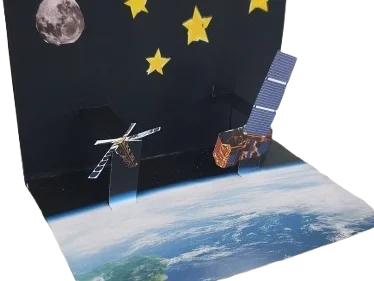
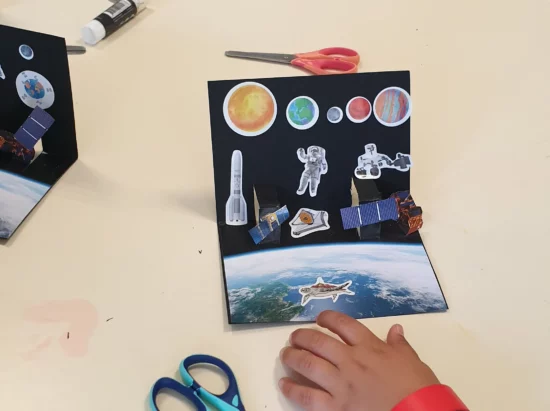
To help young children learn about satellites, CNES and Instant Science have developed a new activity in which students explore the characteristics of satellites and design their own Pop-Up Satellite card. This new activity sheet, “Build your own Pop-Up satellite”, is part of the European educational project Climate Detectives Kids, coordinated in France by CNES.
To launch this new educational resource, CNES invites primary school students to take on a challenge titled “Your best Pop-Up satellite.” This challenge will take place from November 9 to 27, 2026, and the goal is to design and build your own Pop-Up satellite card, inspired (or not) by the one featured in the activity “Build your own Pop-Up satellite”.
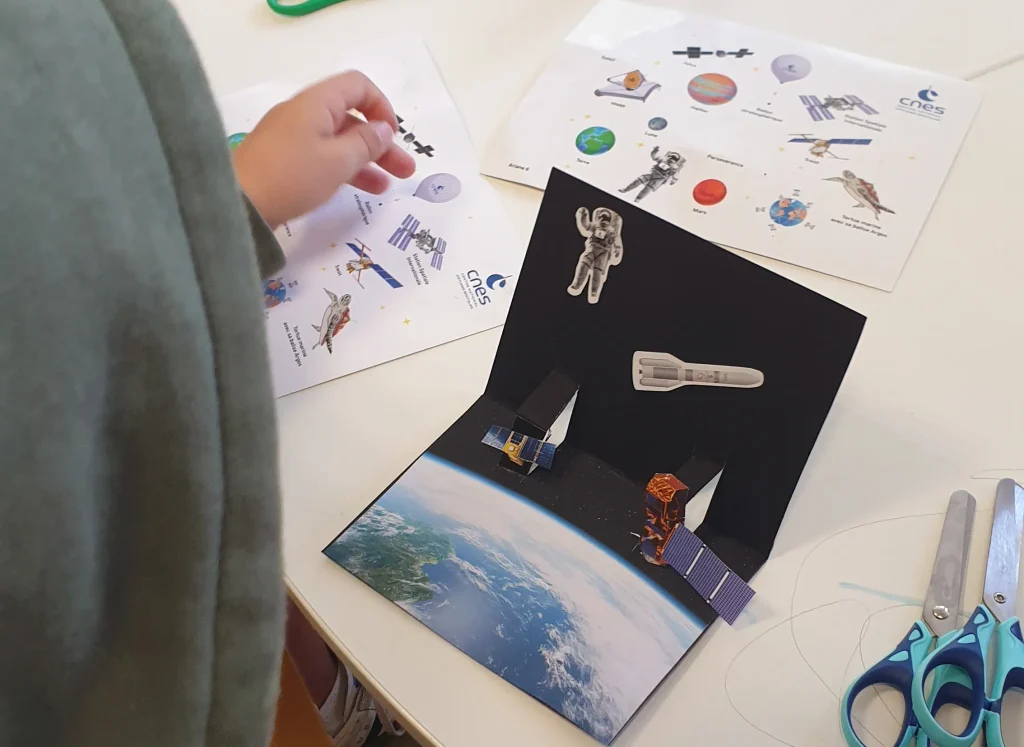
To participate, register your team(s) before November 6, 2026, by completing the form below. The challenge is open to all elementary school students, whether in a school, after-school, or even family setting. Students can create their pop-up cards individually or as a team. A single team may consist of students of different ages. Each team must submit photos of their pop-up card, along with a name for the card and the names of the person(s) who helped create it. Entries must be sent to esero.france@cnes.fr before Friday, November 27, 2026.
Each participant will receive a certificate of participation from the French Space Agency. A group of specialists from CNES will select five “Favorite” cards from among all the entries submitted by the participating teams, with a few space-themed surprises in store. The results will be announced on January 6, 2027, on the ESERO France website. The “favorite” cards will be selected based on scientific rigor, the quality and originality of the entry, and the originality of the name chosen for the pop-up card.
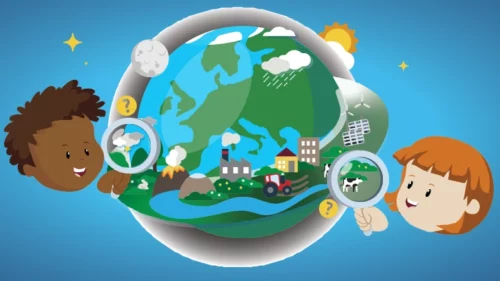
We also invite you to submit this activity to the Climate Detectives Kids website. By doing so, you’ll become part of the ESA’s European project, and your cards will be displayed alongside many other projects.
Challenge Schedule
Launch of the Challenge
Start of the “Your best Pop-Up Satellite” challenge. Imagine and build your own Pop-Up Satellite card.
Submission Deadline
Your pop-up cards must be submitted to us at esero.france@cnes.fr before this date for valid participation. You can also post your results on the official ESA website.
“Favorite” Award Selection
A group of CNES experts will select five “Favorite” cards from among all the submissions received, with a few space-related surprises in store.
Results announcement
The winning teams will be announced on the ESERO France website, and CNES will send a certificate of participation to each participant.
We can’t wait to discover your creations!